Refinery & Petrochemical Pipe Cleaning in Dallas: A Hydroblasting Guide
When you need to clean refinery pipes in Dallas, the stakes are higher than they are for any residential or light commercial job. Process lines carrying crude fractions, catalyst slurries, cooling water, and chemical intermediates accumulate scale, coke deposits, polymer buildup, and biological fouling at rates that shut down throughput, accelerate corrosion, and create serious safety hazards. Hydroblasting — ultra-high-pressure water jetting up to 40,000 PSI — has become the gold standard for refinery and petrochemical pipe cleaning along the Dallas Ship Channel corridor, and for good reason: it removes deposits completely without the thermal risk of steam cleaning or the chemical compatibility concerns of acid descaling.
Why the Dallas Ship Channel Refinery Corridor Demands Specialized Pipe Cleaning
The concentration of refineries, ethylene crackers, LNG terminals, and chemical plants stretching from the Port of Dallas through Allen, Cedar Hill, Duncanville, and Baytown is among the densest in the Western Hemisphere. That industrial density means strict TCEQ oversight, tight turnaround schedules, and zero tolerance for unplanned downtime. Scale and fouling in refinery piping systems don't just reduce flow — they can cause hot spots in fired heaters, create conditions for stress corrosion cracking, and trigger regulatory compliance failures when heat exchangers fail to meet performance specs.
Common fouling types encountered in Gulf Coast refinery piping include:
- Coke and carbon deposits — common in coker units, delayed cokers, and hydrocracker lines
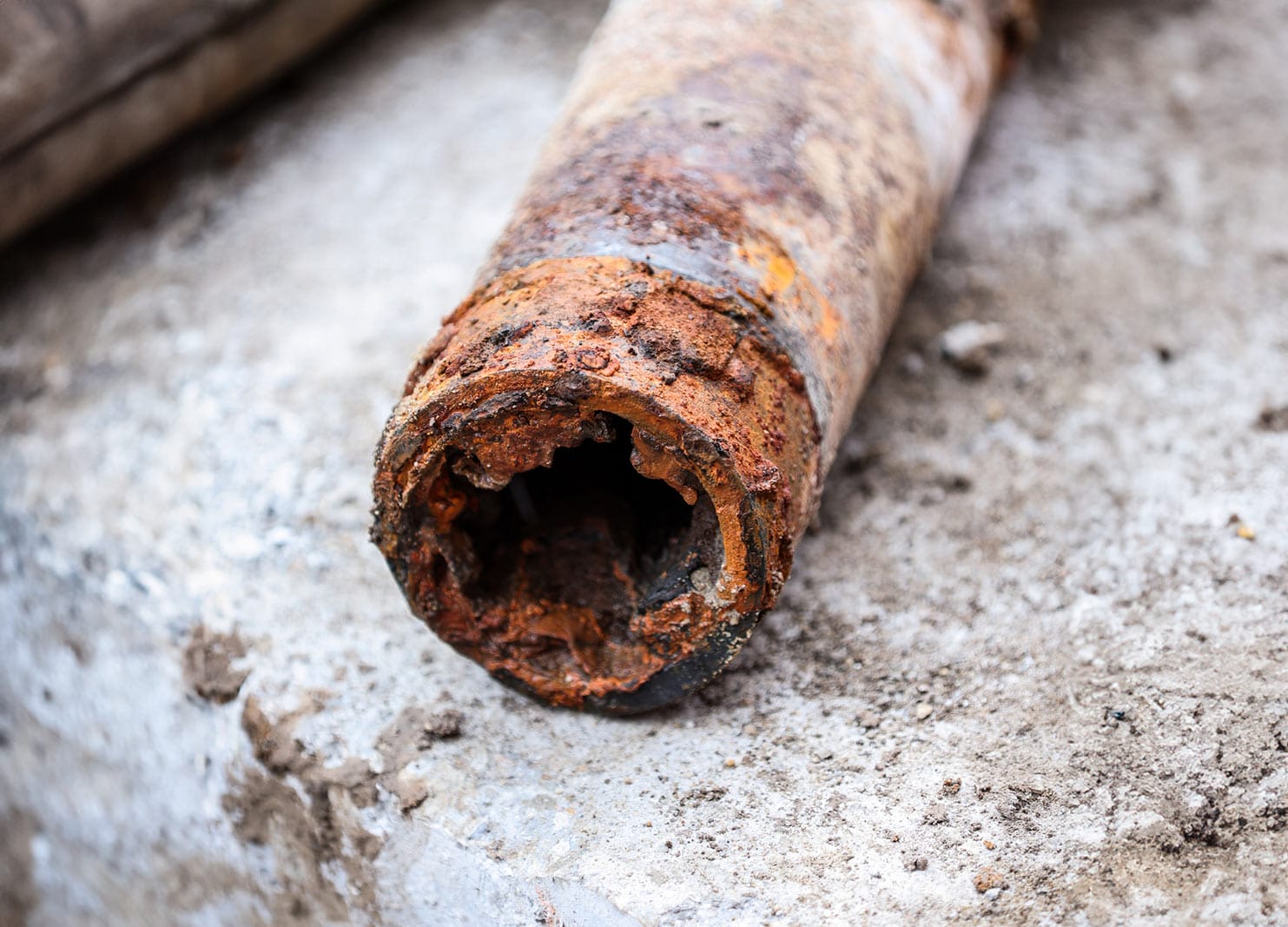
- Calcium carbonate and silica scale — prevalent in cooling water systems and heat exchanger bundles
- Polymer and tar buildup — found in ethylene and propylene process lines
- Iron sulfide scale — a byproduct of sour service environments throughout H2S-rich units
- Biological fouling (biofouling) — cooling tower return lines in Dallas County's humid Gulf Coast climate
Hydroblasting vs. Other Refinery Pipe Cleaning Methods
| Method | Max Effectiveness | Risk Factors | Best Use Case |
|---|---|---|---|
| Hydroblasting (UHP Water Jet) | Excellent — removes hard coke, polymer, scale | Low — no chemicals, no heat | Process lines, heat exchangers, furnace tubes |
| Chemical Cleaning | Good for soluble deposits | Chemical compatibility, waste disposal | Acid-soluble scale in cooling circuits |
| Mechanical Pigging | Good for soft wax/paraffin | Pipe geometry restrictions | Long straight transmission lines |
| Steam Cleaning | Moderate for light organics | Thermal stress, condensate management | Light service lines only |
The Hydroblasting Process for Refinery Pipe Cleaning
A proper hydroblasting campaign at a refinery or petrochemical facility is not simply pointing a high-pressure wand at a pipe flange. Effective hydroblasting services require a structured approach:
- Pre-job engineering review — Confirm pipe metallurgy, pressure ratings, and deposit characterization so nozzle selection and standoff pressure are appropriate. Thin-wall alloy tubing in heat exchangers requires different parameters than thick-wall carbon steel process piping.
- Isolation and lockout/tagout (LOTO) — All piping sections must be properly isolated, depressurized, purged, and tagged out per facility safety procedures. This is non-negotiable in refinery environments where pyrophoric materials and flammable vapors may be present.
- Waste containment and collection — Effluent from refinery pipe cleaning frequently contains hydrocarbons, heavy metals, and H2S that classify as hazardous waste under TCEQ regulations. Proper containment berms, vacuum trucks, and manifold collection systems must be staged before the first lance goes in.
- Nozzle selection and pressure calibration — Rotating bundle lances, flex lances, and rigid lance systems each serve different geometries. Pressures range from 10,000 PSI for light fouling to 40,000 PSI UHP for hard coke.
- Post-cleaning inspection — A pipeline video inspection after hydroblasting confirms cleanliness and identifies any wall thinning, pitting, or cracking that fouling may have masked.
Turnaround Scheduling and Minimizing Downtime
Refinery turnarounds in the Dallas area are meticulously planned months in advance. Late completion of pipe cleaning work cascades across the entire turnaround schedule, costing facilities tens of thousands of dollars per hour in deferred production. TX Hydrojet & Plumbing operates with fully equipped hydroblasting crews available around the clock — 24 hours a day, 7 days a week — because refinery work doesn't stop at 5 PM. Our crews are trained in refinery safety protocols including H2S awareness, confined space entry, and hot-work permitting so they integrate efficiently with facility safety teams from day one.
TCEQ Compliance and Environmental Considerations
Texas Commission on Environmental Quality (TCEQ) rules govern how wastewater and solid waste from refinery pipe cleaning operations must be characterized, contained, and disposed of. Hydroblasting effluent that contacts process residues typically requires sampling and third-party characterization before disposal. Facilities in Dallas County and surrounding areas face heightened scrutiny given proximity to Dallas Ship Channel waterways. Proper manifold collection, vacuum truck staging, and documented waste disposal chains are essential parts of any compliant refinery pipe cleaning project.
Heat Exchanger Bundle Cleaning
One of the most time-critical pipe cleaning tasks during a refinery turnaround is heat exchanger bundle cleaning. Fouled bundles reduce heat transfer efficiency, increasing fuel consumption and sometimes triggering process excursions. High-pressure pipeline cleaning techniques applied to exchanger tube bundles — typically using rotating jet heads at 10,000–20,000 PSI — restore tube cleanliness to near-new condition without the risk of tube deformation that aggressive mechanical cleaning can cause. Before bundles are pulled and sent to a cleaning facility, in-situ hydroblasting can often restore sufficient capacity to extend run length between turnarounds.
Choosing the Right Hydroblasting Contractor for Refinery Work
Not every jetting contractor is equipped or qualified for refinery and petrochemical pipe cleaning. Key qualifications to verify include: LOTO compliance training, H2S safety certification for personnel, UHP equipment rated to the pressures required, appropriate insurance coverage for refinery work, and proven experience with TCEQ-compliant waste handling. References from comparable Gulf Coast facilities — other Ship Channel refineries, Allen chemical plants, or Baytown industrial complexes — carry significant weight.
TX Hydrojet & Plumbing has served industrial clients across the Dallas-Fort Worth metroplex, from Baytown and Allen to Cedar Hill and the Port of Dallas area, with the equipment, safety training, and regulatory experience refinery clients require.
Ready to Schedule Refinery Pipe Cleaning in Dallas?
Whether you're planning a major turnaround, responding to an emergency fouling event, or looking to extend run length on a critical process unit, TX Hydrojet & Plumbing is ready to help. Contact us at (832) 203-7987 or visit our contact page to discuss your project scope, timeline, and safety requirements. Our team will respond promptly — because in refinery operations, time is never on your side when pipes stop flowing.
TX Hydrojet & Plumbing Team
Our team of licensed, insured plumbers in Dallas, TX brings decades of combined experience to every job. We specialize in hydro jetting, drain cleaning, sewer repair, and 24/7 emergency plumbing services across the Dallas-Fort Worth metroplex.
(832) 203-7987