Pipe Jetting Service Dallas: PSI, GPM, Nozzle Selection
Most pipe jetting service quotes in Dallas do not specify the equipment that will actually be on site. The line item reads "hydrojetting service" with a dollar amount, and the homeowner or facility manager has no idea whether a 1,500-PSI residential trailer or a 4,000-PSI truck-mounted unit is going to do the work. The result is wildly variable outcomes — a $400 hydrojetting call that clears the immediate clog but leaves the pipe wall coated and the line re-clogs in 60 days, or a $1,200 call from a serious operator that returns the pipe to full diameter and runs camera verification before invoicing.
This guide is the technical reference for Dallas property owners, facility managers, and operations leads who are tired of mystery-priced drain quotes. It covers pressure, flow, nozzle selection, hose specification, and equipment classes — what each actually does, when each is appropriate, and what to ask when a contractor shows up at your property.
The Two Specifications That Define a Pipe Jetting Service
Every hydrojetting unit is rated by two numbers: pressure and flow. Pressure is measured in pounds per square inch (PSI) at the nozzle. Flow is measured in gallons per minute (GPM) delivered through the nozzle. The product of these two roughly defines the work the machine can do.
Pressure determines whether the jet stream can break and remove the deposit. Soft FOG (fats, oils, grease) breaks at 1,200 to 2,000 PSI. Hard mineral scale needs 3,000 to 4,000 PSI. Compacted root masses in clay pipe need 3,500 to 4,000 PSI plus a root-cutting nozzle to mechanically slice through fibers. Below the required pressure, the nozzle bounces off the deposit without removing it.
Flow determines whether the dislodged material moves downstream to the city tap or simply re-deposits 50 feet further along. On 6-inch sewer lateral, a 4-GPM machine produces a jet that cuts through the blockage but cannot move the resulting slurry through the pipe. The line re-clogs within hours. A 25-GPM machine on the same line carries the dislodged material all the way to the main. Flow is why a "cheap" hydrojetting call from an undersized trailer often costs more than a single visit from a properly equipped truck.
The two-number specification matters more than the trade name on the truck. A 4,000-PSI machine running at 4 GPM is the wrong tool for an 8-inch storm drain. A 1,500-PSI machine running at 50 GPM is the wrong tool for a hard-scaled boiler condensate line. Match the machine to the failure mode.
Pipe Size and Equipment Match-Up
Here is the working matrix our Dallas crews apply across residential, commercial, and industrial work.
1-inch and 1.25-inch interior drains (lavatory branches, branch arms)
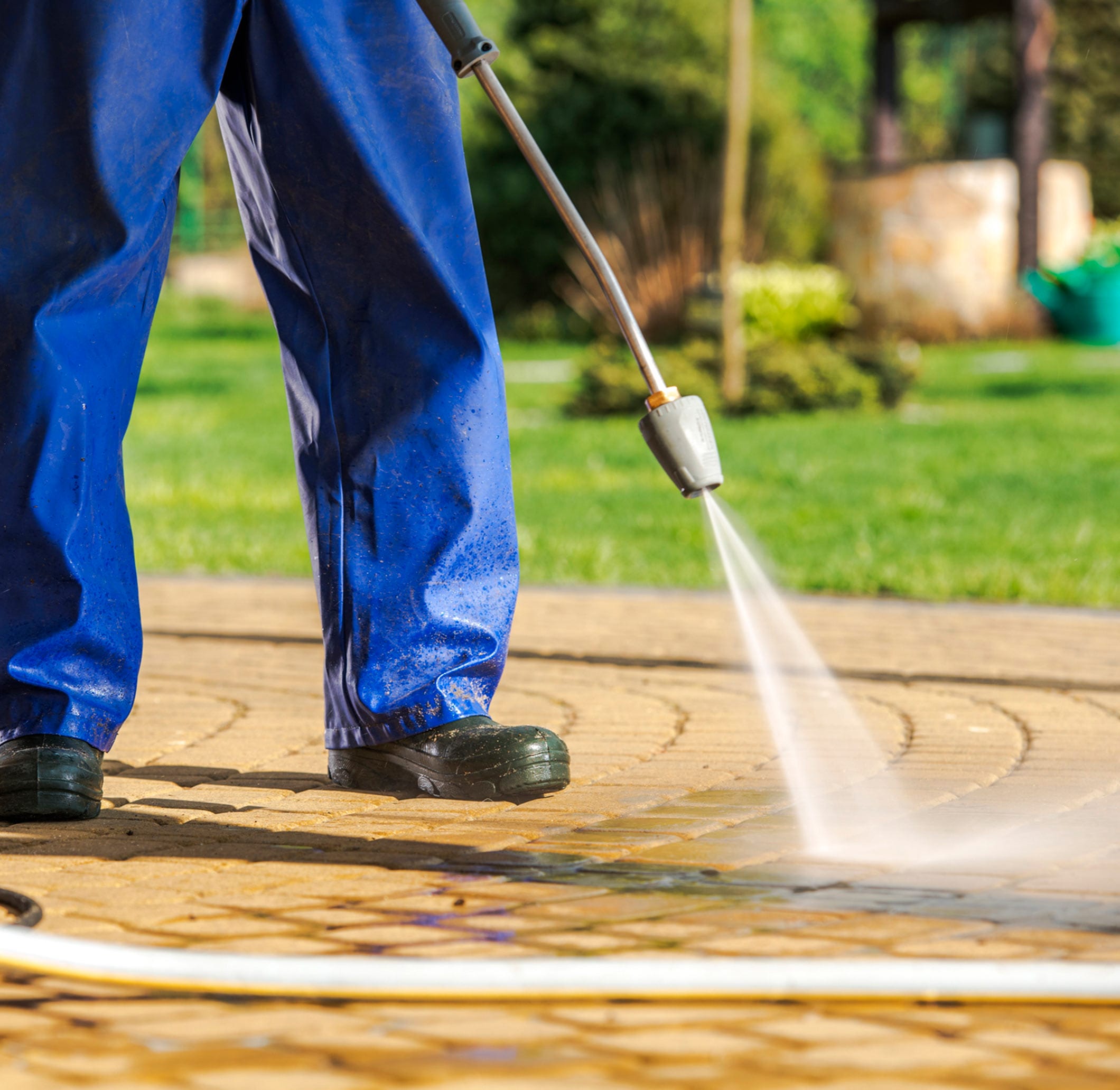
Hand-held mini-jet at 1,000 to 1,500 PSI, 1 to 2 GPM. Hose 1/8-inch. Nozzle: small 4-port rotating tip. These small lines have weak joints — even on copper DWV or PVC — and high pressure on a corroded older pipe will blow out the joint. Mini-jetters also handle bar sinks, ice machine drains, and shower branches without risking the connected fixtures.
2-inch kitchen branch and laundry branch
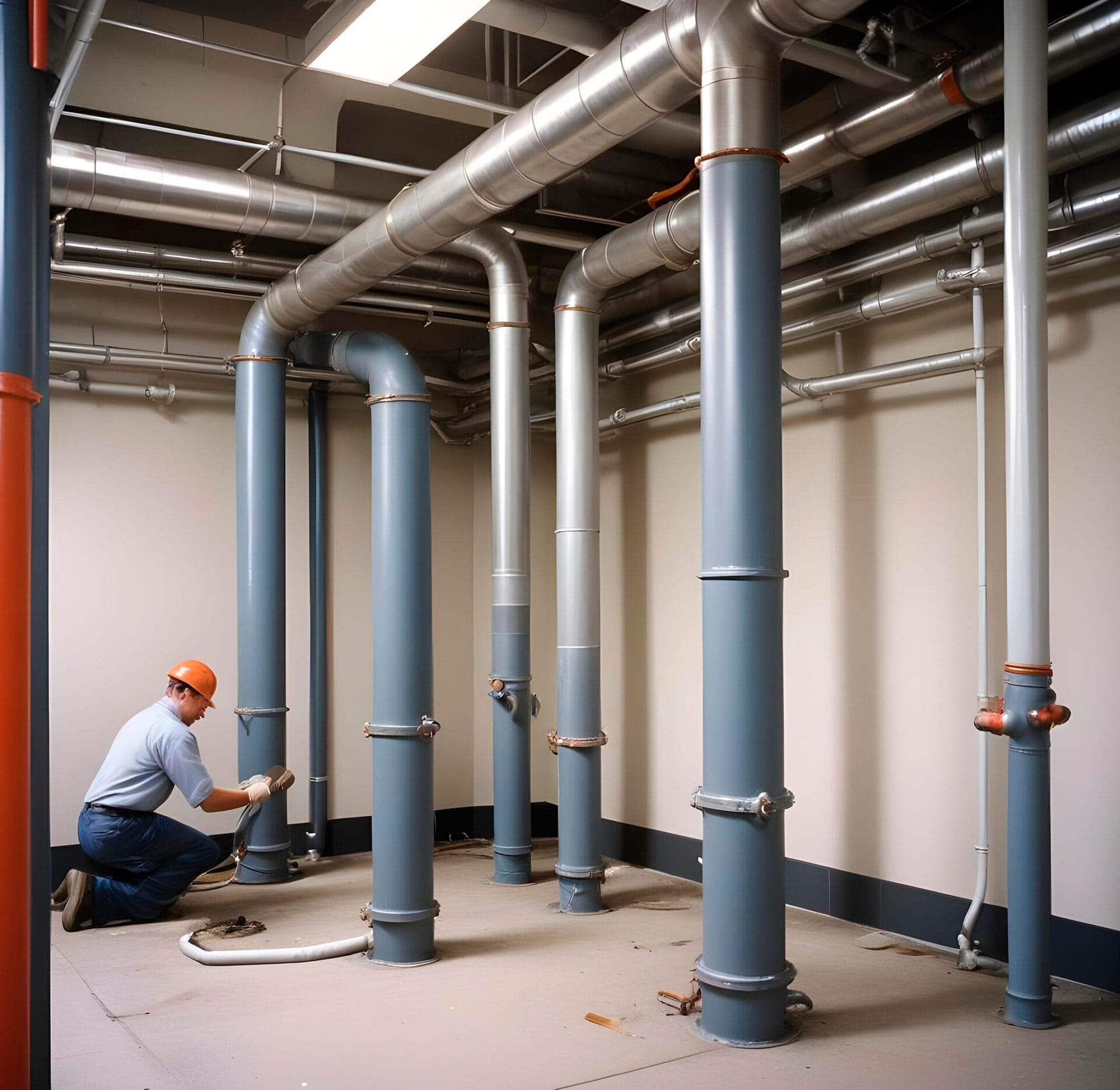
Trailer or skid unit at 1,500 to 2,000 PSI, 4 to 8 GPM. Hose 1/4-inch. Nozzle: rotating tip with 4 to 6 rear jets. Older galvanized 2-inch lines from 1950s and 1960s Dallas construction are corrosion-vulnerable; pre-CCTV inspection is good practice before applying full pressure.
3-inch and 4-inch interior soil branch and small commercial line
Mid-size trailer or van-mount at 2,500 to 3,500 PSI, 12 to 18 GPM. Hose 3/8-inch. Nozzle: penetrator with front-jet for blockage clearing, then a wall-scouring nozzle for the second pass. This is the workhorse residential drain cleaning equipment class.
4-inch and 6-inch residential sewer lateral and small commercial sewer
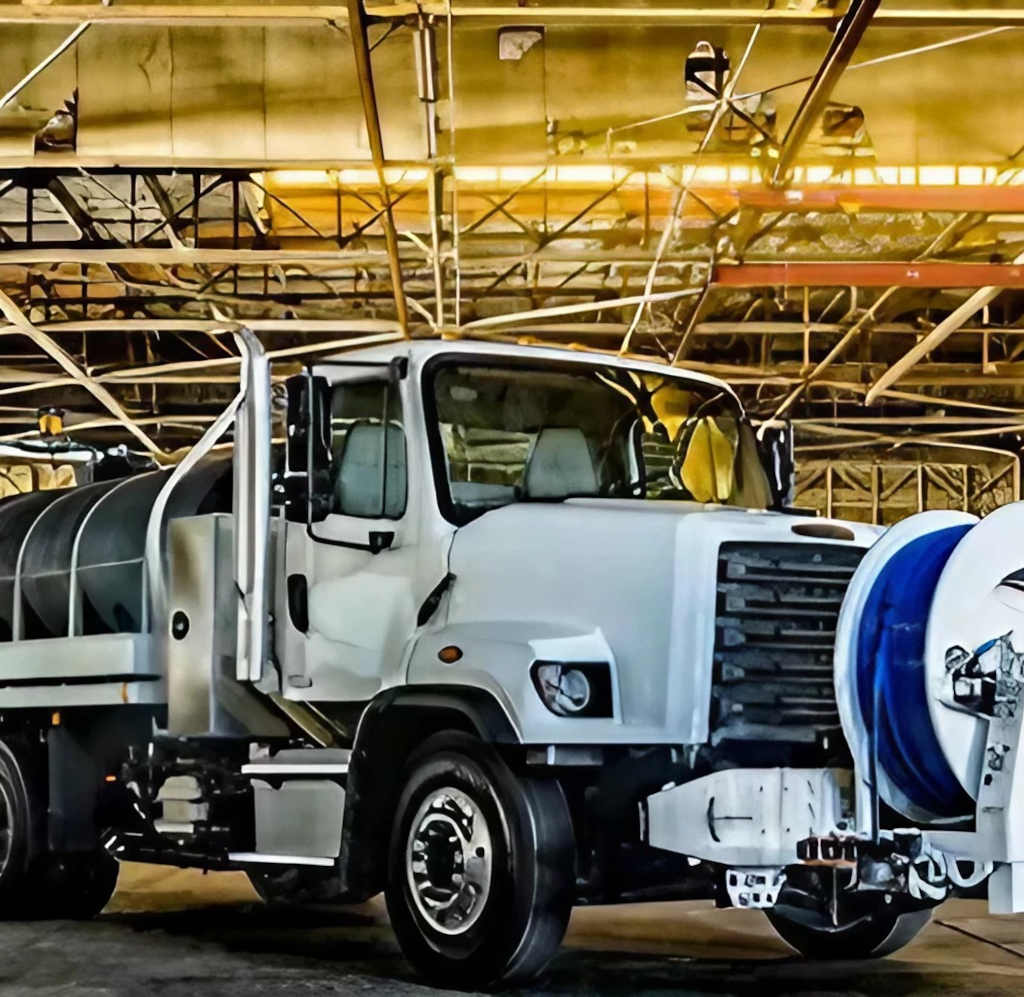
Truck-mounted unit at 3,000 to 4,000 PSI, 15 to 25 GPM. Hose 3/8-inch or 1/2-inch. Nozzle selection depends on failure mode — rotating nozzle for grease and biofilm, root-cutter for root intrusion, chisel-tip for scale.
6-inch and 8-inch commercial building sewer and lateral
Truck-mounted unit at 3,500 to 4,000 PSI, 18 to 35 GPM. Hose 1/2-inch to 5/8-inch. Heavy chisel-tip or rotating chain-flail for descaling cast iron; root-cutting nozzle with carbide chain tips for clay pipe with root intrusion. CCTV camera inspection included.
10-inch and 12-inch storm sewer and large-diameter commercial
Truck-mounted unit at 4,000 PSI, 35 to 60 GPM. Hose 5/8-inch to 3/4-inch. Warthog or similar bulk-debris evacuator with bottom-thrust jets to displace silt and sediment. Often combined with vacuum truck to extract dislodged material.
16-inch through 36-inch industrial process and storm sewer
Combination vacuum-jet truck at 4,000 to 5,000 PSI, 50 to 80 GPM. Hose 3/4-inch to 1-inch. Specialized nozzles per failure mode. Required for refinery, petrochemical, large-diameter municipal, and industrial process applications.
Nozzle Selection — Where Most Service Calls Go Wrong
Equipment shops sell dozens of nozzle types, and the wrong nozzle on a properly specified machine produces a wasted service call. The decision tree depends entirely on the failure mode the line is suffering.
Rotating multi-port nozzle: The standard "starter" nozzle. 4 to 8 rear-facing jets, sometimes a front-facing jet. Rotation distributes the wall scour around the 360-degree pipe circumference. Best for: grease, soap scum, biofilm, light sediment. Wrong for: hard scale, dense roots, severe blockage.
Penetrator nozzle: Forward-aggressive design with a strong front jet. Used to punch through a hard blockage so the unit can advance. Once past the blockage, swap to a scouring nozzle for the wall cleaning pass. Best for: clearing a stopper-clog, threading a heavily compacted line. Wrong for: routine maintenance or descaling.
Root-cutting nozzle: Carbide chain tips or rotating saw blade mounted on the nozzle head. Mechanically cuts through root mass. Best for: tree root intrusion in clay sewer lateral. Wrong for: cast iron pipe (chain tips can damage already-corroded cast iron), small-diameter pipe.
Chisel-tip nozzle: Hardened forward-projecting tip designed for impact. The front-jet drives the chisel into hard deposits. Best for: mineral scale, paraffin wax, asphaltene, hard scale in heat exchanger condensate lines. Wrong for: soft FOG, biofilm.
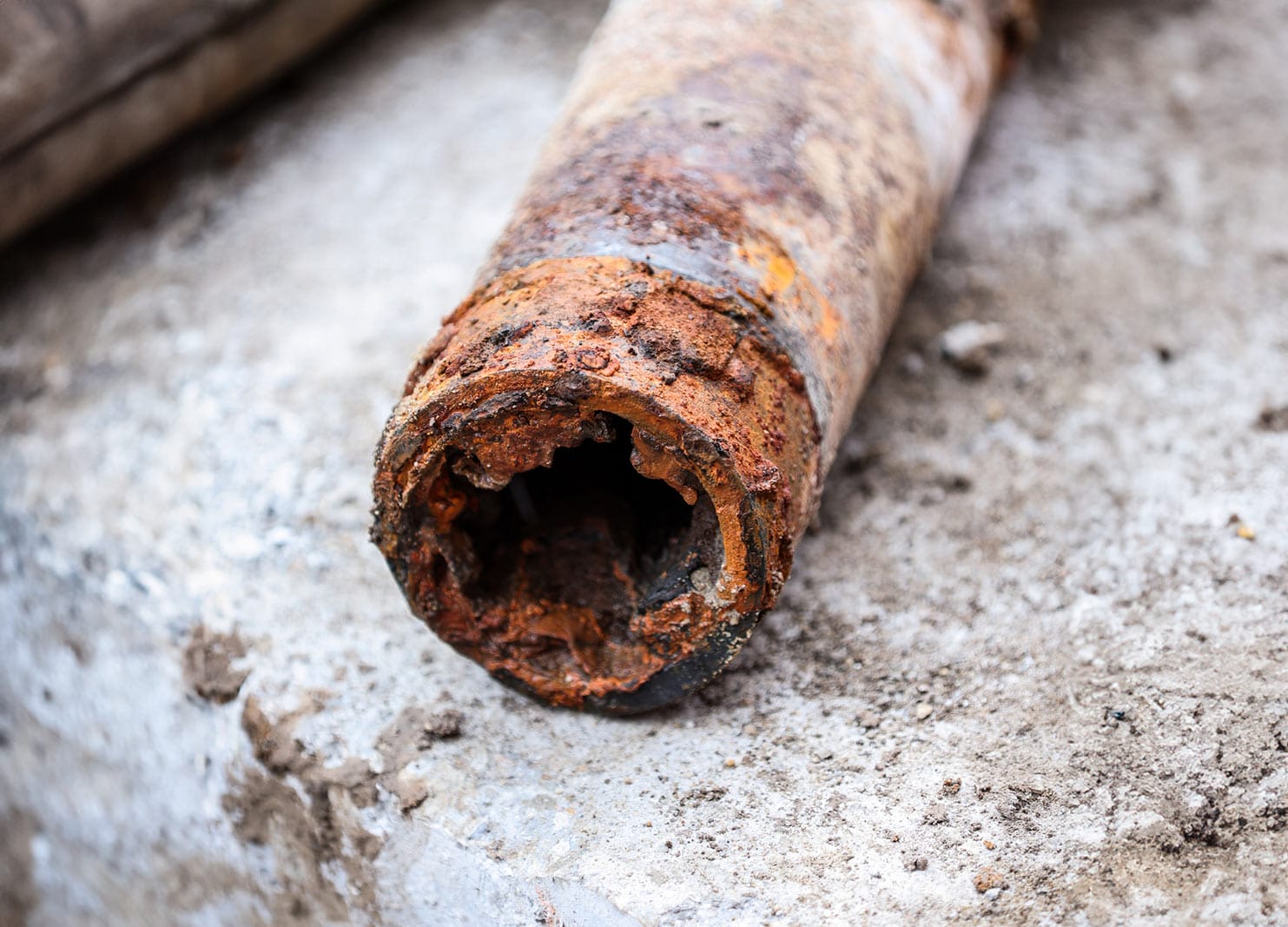
Rotating chain-flail nozzle: Spinning chains with carbide tips impact the pipe wall on rotation. Aggressive descaler. Best for: heavy mineral scale, cast iron pipe descaling, hard buildup. Wrong for: plastic pipe (chains can score PVC), older corroded pipe.
Warthog and bulk-debris evacuator nozzle: Multiple rear jets plus downward-thrust jets to lift and move settled sediment. Best for: storm drains, catch basins, large-diameter sediment-laden lines. Wrong for: hard scale, grease, root masses.
Hydra-flush evacuator: Similar to warthog with larger orifices for high-flow material movement. Best for: large-diameter, sediment-laden, slow-flowing systems. Wrong for: precision cleaning of small-diameter lines.
The Dallas Failure-Mode-to-Equipment Decision Tree
Putting the matrix together, here is how our Dallas crews dispatch equipment based on the symptom we hear from the property.
"Kitchen drain backing up at the sink, restaurant property": Mid-size unit, 3,000 PSI, 15 GPM, rotating nozzle. Followed by trap pumping if grease trap is connected.
"Main sewer line backed up, residential, old neighborhood (Highland Park, Uptown, Highland Park)": Truck-mounted unit, 3,500 PSI, 18 GPM. Camera scope first to confirm root intrusion. Root-cutting nozzle if confirmed. Post-cleaning CCTV documents the pipe condition for the homeowner.
"Storm drain at the parking lot not draining": Truck-mounted unit, 4,000 PSI, 35-plus GPM, warthog evacuator nozzle. Paired with vacuum truck if catch basin needs cleanout.
"Boiler condensate line slow, commercial building": Mid-size unit, 3,500 PSI, 12 GPM, chisel-tip nozzle for scale.
"Industrial process sewer slow, refinery": Combination vacuum-jet truck, 4,500 PSI, 50 GPM, chisel-tip for paraffin. CCTV crawler inspection pre and post.
"Trash chute drain backing up, multifamily": Mid-size unit, 3,000 PSI, 12 GPM, rotating nozzle. Repeat quarterly for prevention.
"Apartment ground-floor unit toilets and tubs backing up": Truck-mounted unit, 3,500 PSI, 18 GPM, on the building drain or stack base. Camera scope first to identify the failure point.
Hose Specifications and Why They Matter
Hose diameter affects how much pressure and flow actually reaches the nozzle. Friction losses inside a long hose can drop nozzle pressure dramatically. A pressure rating of 4,000 PSI at the pump becomes 3,000 PSI at the nozzle after 300 feet of 3/8-inch hose. Serious operators size the hose for the job:
1/8-inch hose: Mini-jet equipment. Up to 100 feet. Small-diameter interior plumbing only.
1/4-inch hose: Light commercial trailer equipment. 100 to 200 feet. 2-inch interior drains.
3/8-inch hose: Mid-range residential and light commercial. 200 to 400 feet. 3-inch to 4-inch lines.
1/2-inch hose: Standard truck-mounted commercial. 400 to 600 feet. 4-inch to 8-inch lines.
5/8-inch hose: Heavy commercial and light industrial. 500 to 800 feet. 6-inch to 12-inch lines.
3/4-inch and 1-inch hose: Industrial combination units. 500 to 1,000 feet. 10-inch through 36-inch lines.
Questions to Ask Before Hiring a Dallas Pipe Jetting Service
Before signing off on a hydrojetting quote, ask the contractor these specific questions. The answers separate serious operators from drain rooter companies operating outside their equipment class.
1. What pressure and flow does your unit deliver at the nozzle? Should match the matrix above for your pipe size. If the answer is vague ("our jetter handles all sizes") the unit is probably undersized.
2. What nozzle will you use, and why? Should match the failure mode. If the answer is "the standard one" the operator may not have the inventory.
3. Are you doing CCTV camera inspection? For 4-inch and larger commercial lines, the answer should be yes by default. For residential sewer lateral, camera scope before and after is best practice.
4. Are you truck-mounted or trailer-mounted? Trailer units are fine for residential 2-inch and 3-inch interior work. For sewer laterals and commercial work, truck-mounted is the standard.
5. What is your TSBPE plumbing license number? Texas plumbing license required for building drain and sewer work. Verify at tsbpe.texas.gov before signing.
6. Are you insured? Can you provide a Certificate of Insurance naming our property as additional insured? $1 million general liability minimum for commercial work. Higher for industrial.
7. After-hours availability? Sewer backups happen during business hours, which means service has to happen after business hours. Confirm 24/7 with no holiday surcharge gouging.
What This Costs in Dallas
Approximate ranges based on current Dallas market rates. Final pricing depends on access, severity, distance from cleanout, and equipment class.
Residential sewer lateral hydrojetting (4-inch, 50 to 100 feet from cleanout to city tap, with camera inspection): $450 to $900.
Commercial 6-inch sewer (100 to 250 feet, with camera inspection and written report): $800 to $1,800.
Storm drain and catch basin parking lot system (one lot, mid-size): $1,200 to $4,500.
Restaurant grease trap line (3-inch to 4-inch, quarterly service): $400 to $900 per visit.
Multifamily main sewer (6-inch to 8-inch, annual): $1,000 to $2,400.
Industrial process sewer (12-inch and larger, day rate plus equipment): $5,000 to $20,000 per mobilization.
Emergency after-hours response: $400 to $1,500 for the first hour plus equipment, depending on call timing and equipment dispatched.
What to Do Right Now
If you have a Dallas pipe jetting service quote in front of you and you cannot tell whether the equipment matches the job, the action sequence:
- Call the contractor and ask the seven questions above. The answers will tell you whether the bid is realistic.
- For commercial or industrial work, confirm in writing that CCTV inspection is included, that you will receive a written report with location measurements, and that you will receive time-stamped video for the records.
- Verify the TSBPE license at tsbpe.texas.gov before paying any deposit. Request the contractor's Responsible Master Plumber name in writing.
- Get a Certificate of Insurance naming your property as additional insured before any work starts.
- For recurring service (restaurant grease line, multifamily main, industrial process), negotiate quarterly or annual pricing on a master service agreement instead of one-off calls.
TX Hydrojet runs truck-mounted hydrojetting and combination vacuum-jet equipment across the Dallas metro at 3,500 to 5,000 PSI and 18 to 80 GPM depending on pipe size. CCTV camera inspection is included on every commercial call. Written reports and time-stamped video delivered for property records. TSBPE licensed, insured, 24/7. For pipe jetting service in Dallas — residential, commercial, or industrial — call (832) 203-7987 or request a quote at txhydrojetting.com/contact.
TX Hydrojet & Plumbing Team
Our team of licensed, insured plumbers in Dallas, TX brings decades of combined experience to every job. We specialize in hydro jetting, drain cleaning, sewer repair, and 24/7 emergency plumbing services across the Dallas-Fort Worth metroplex.
(832) 203-7987