Commercial Drain Cleaning Dallas: Manager's Playbook
If you manage a commercial property in Dallas — a restaurant on Westheimer, an office park in the Energy Corridor, a hotel near IAH, an industrial site in the Ship Channel, or a strip center in Frisco — your drain and sewer system fails on a schedule. Not randomly. The Dallas commercial drain failure timeline is predictable enough that a sophisticated property manager can budget for it the same way you budget for HVAC PMs. The question is not if your lines will clog, it is which failure mechanism will hit first, and whether your maintenance schedule beats it.
This guide is the working playbook our crews use across hundreds of Dallas commercial properties. It covers the four failure modes that dominate this city, why commercial hydrojetting is fundamentally different from residential drain snaking, the PSI and nozzle selection that actually matters, when to skip hydrojetting and go straight to pipe repair, and the quarterly maintenance cadence that prevents six-figure backups during the worst possible moments — Friday-night service, the day before an inspection, the hour the storm hits.
The Four Failure Modes That Dominate Dallas Commercial Drains
Every commercial drain failure in Dallas traces back to one or a combination of these four mechanisms. Understanding which one is hitting your property changes the entire repair strategy.
1. FOG Accumulation (Fats, Oils, and Grease)
This is the #1 failure mode for any property with a commercial kitchen. Restaurants, hotel kitchens, hospital cafeterias, school cafeterias, corporate dining, and even break rooms with dishwashers all generate FOG. The grease leaves the trap as a hot liquid, travels 30 to 60 feet down the sanitary lateral, then cools and congeals inside the pipe wall. After 90 days of accumulation, you have lost 30 to 40 percent of the pipe's effective diameter. After 180 days, the line backs up at the lowest fixture.
Dallas's Public Works FOG ordinance requires quarterly trap pumping at 25 percent capacity. Smart operators bundle hydrojetting of the connected drain line into the same service call — otherwise you are pumping the trap clean while the line feeding it stays coated, guaranteeing the next clog within 60 days.
2. Tree Root Intrusion Through Clay Pipe Joints
Roughly 40 percent of Dallas commercial properties built before 1980 still have vitrified clay tile (VCT) sewer laterals from the building to the city tap. Clay pipe was the standard from the early 1900s through the late 1970s. It has two characteristics that doom it in Dallas: short 2-foot to 5-foot sections joined with mortar (now degraded), and a porous surface that leaks micro-quantities of moisture into surrounding soil.
Live oaks, magnolias, and crepe myrtles — the dominant Dallas commercial landscape trees — send roots toward that moisture. The roots penetrate degraded joints, then bulb out inside the pipe, where they encounter the rest of the nutrient-rich wastewater. Within five years, a fully developed root mass can occupy 60 to 80 percent of pipe cross-section.
3. Hurricane-Season Storm Drain Backflow
Dallas is built on flat coastal clay with a marginal storm drain network and a high water table. During tropical storms and hurricane events, the city storm system surcharges. Property storm inlets, area drains, parking-lot catch basins, and below-grade drains all back up — not because the property's drain is clogged, but because the municipal line downstream cannot accept the volume. A sediment-laden storm drain on a property compounds the problem by holding back flow that could otherwise drain when the surge recedes.
Pre-hurricane-season hydrojetting of storm drains, catch basins, and area drains is the single highest-ROI annual service for any Dallas commercial property with surface drainage.
4. Mineral Scale and Heavy-Use Deposits
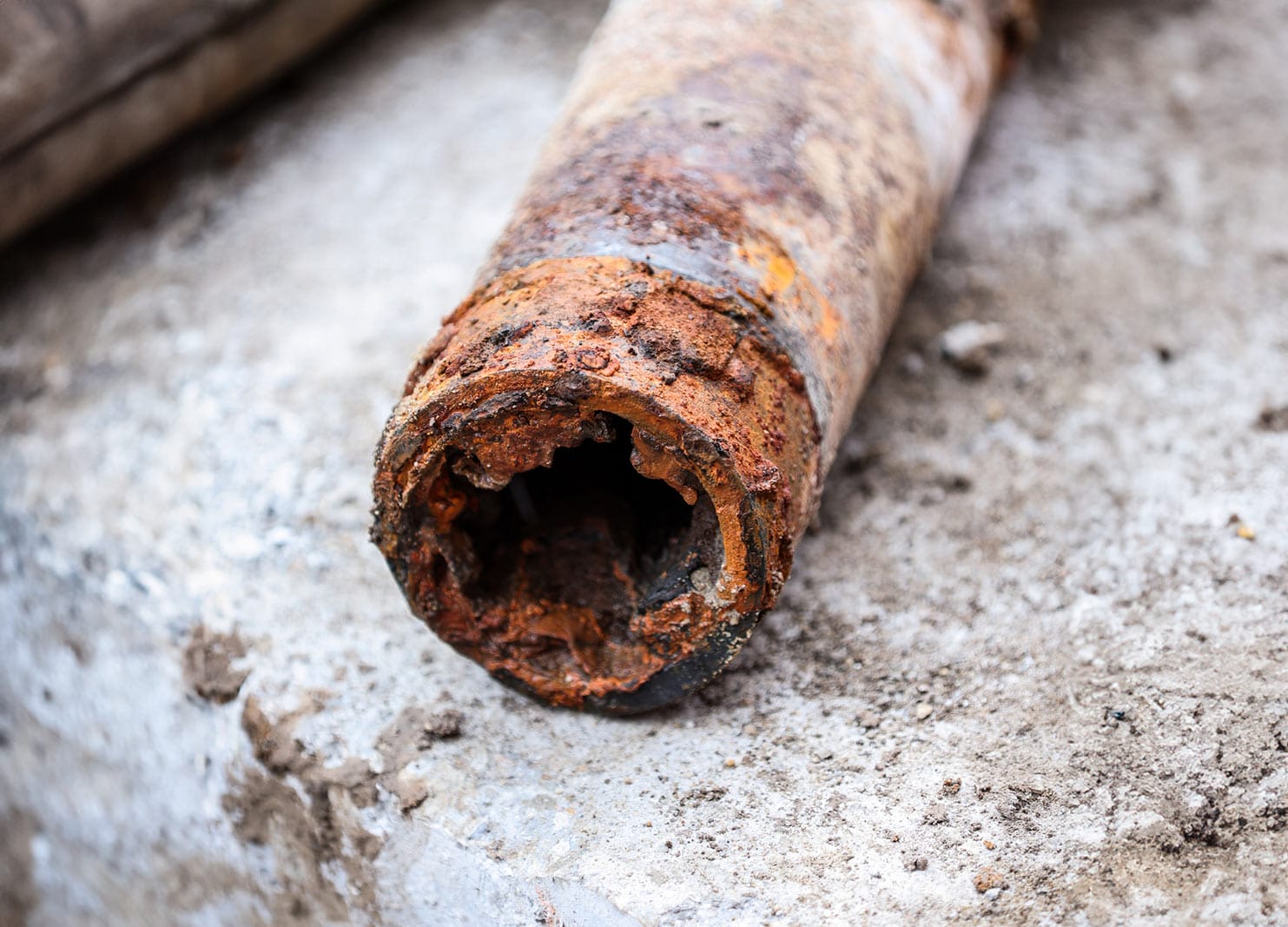
Dallas municipal water carries 120 to 180 ppm total hardness depending on which surface-water blend your zone receives. In commercial water-heater discharge lines, boiler condensate drains, ice-machine drains, and laundry drains, dissolved calcium and magnesium precipitate as scale. Over 5 to 10 years, scale can reduce a 2-inch discharge line to a 1-inch effective diameter. The fix is not snaking — a snake passes through scale without removing it. The fix is hydrojetting with a chisel-tip or descaling nozzle.
Why Hydrojetting and Why Not Snaking
The single most common mistake we see Dallas property managers make is approving repeat snaking calls when the underlying problem is wall accumulation. Here is the technical difference and why it matters for commercial budgets.
A drain snake — also called a rooter, cable machine, or sectional machine — pushes a rotating steel cable down the pipe. The cable's cutting head punches a hole through the blockage. Water flows again. Snaking is fast and cheap on a per-call basis. But the pipe wall is still coated with grease, soap scum, biofilm, and root residue. The clog returns. We see Dallas restaurants paying for snaking every 30 to 45 days when a single quarterly hydrojetting visit would carry them six months.
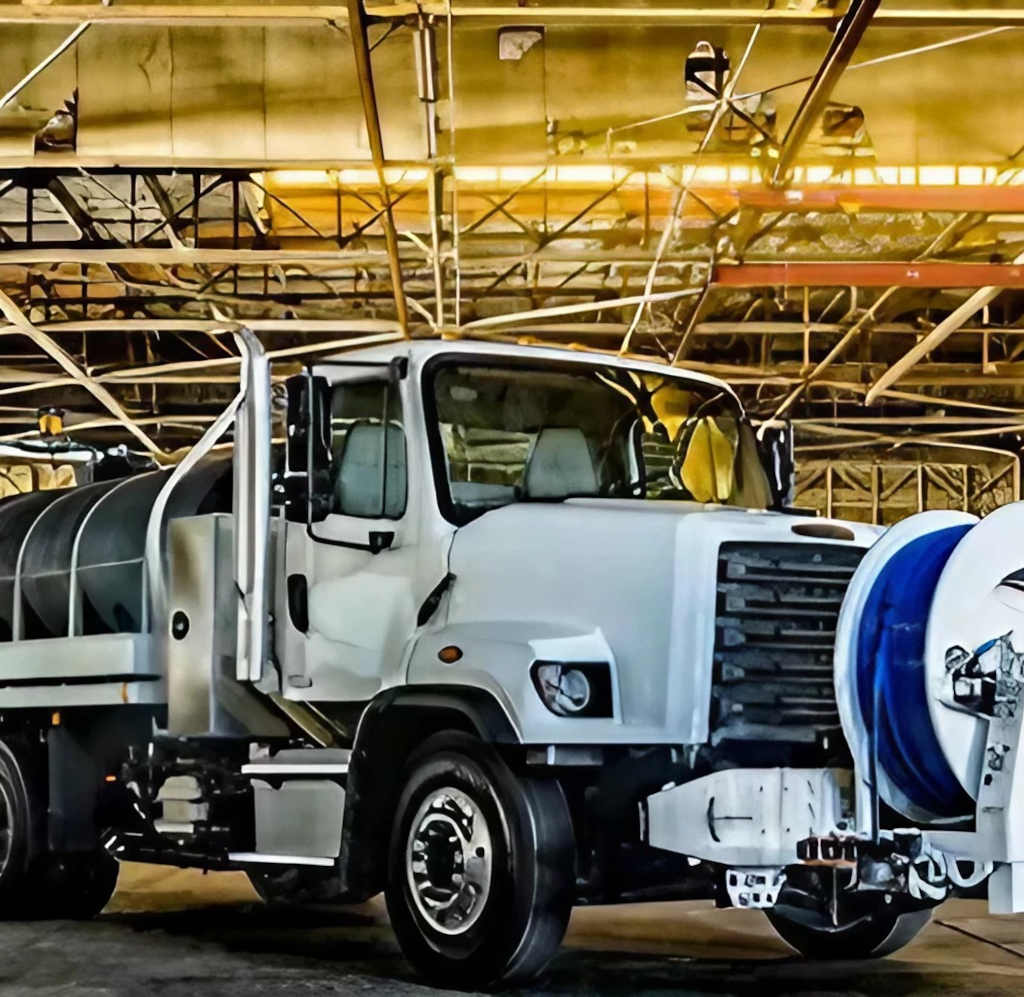
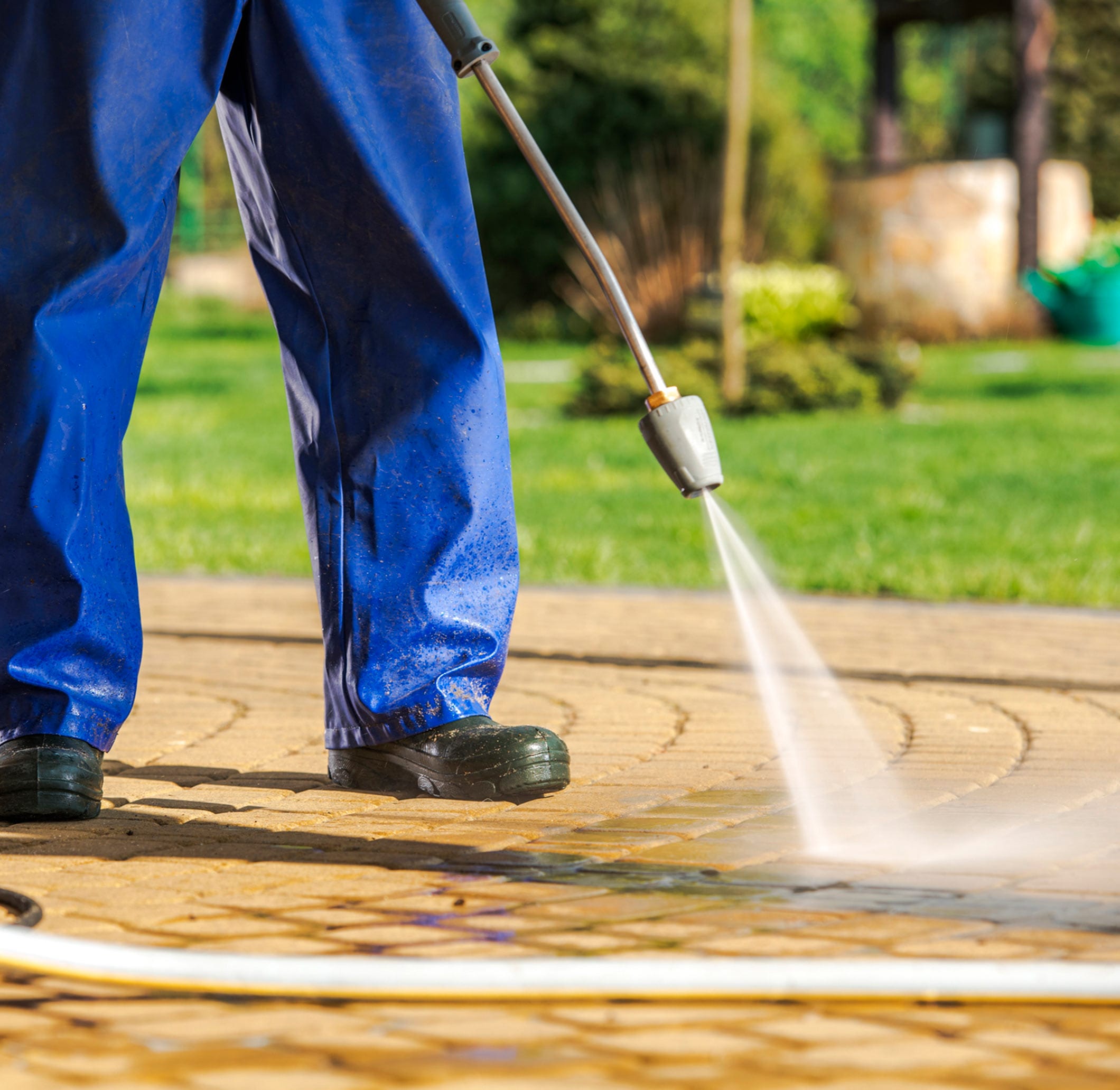
Hydrojetting uses a 1/2-inch to 1-inch high-pressure hose terminated in a multi-port nozzle. Water at 3,000 to 4,000 PSI exits the nozzle through 4 to 8 rear-facing jets, which both propel the nozzle forward and scour the pipe wall in a 360-degree cone. The front jet — when fitted — punches through blockages so the rear jets can do the wall cleaning. The result is a pipe that returns to full original diameter in a single pass.
On a 6-inch sanitary line carrying restaurant flow, the math is straightforward. A snake call typically runs $250 to $400 and lasts 30 to 90 days. Hydrojetting with camera verification runs $600 to $1,200 and lasts 6 to 18 months. Over 12 months, a property paying for snaking every 45 days spends $2,000 to $3,200, vs $1,200 to $2,400 for hydrojetting on a 6-month cadence. The hydrojetting program also protects against the catastrophic events — the Friday-night restaurant backup that loses a service window, the apartment building sewer ejector that pumps raw waste into a parking garage, the office tower lobby flood that triggers a $40,000 remediation.
PSI and GPM by Pipe Type — The Engineering That Actually Matters
Equipment selection determines whether the service does what the invoice says it does. Here is the working matrix our crews use across Dallas commercial properties.
2-inch interior drain lines (lavatory, kitchen sink, bar sink)
Pressure: 1,500 to 2,000 PSI. Flow: 4 to 8 GPM. Nozzle: small rotating nozzle with 4 rear jets. Hose: 1/4-inch. Why moderate pressure: older galvanized and cast-iron interior drains common in Dallas commercial kitchens are joint-vulnerable. Full pressure on a 50-year-old galvanized riser will blow out a corroded threaded joint.
3-inch and 4-inch sanitary branch lines
Pressure: 2,500 to 3,500 PSI. Flow: 12 to 18 GPM. Nozzle: penetrator with front-jet for blockage clearing, then a wall-scouring nozzle for the second pass. Hose: 3/8-inch.
6-inch and 8-inch building sewer and lateral
Pressure: 3,500 to 4,000 PSI. Flow: 18 to 35 GPM. Nozzle: heavy chisel-tip or rotating chain-flail for descaling cast iron; root-cutting nozzle with carbide chain tips for clay pipe with root intrusion. Hose: 1/2-inch to 5/8-inch.
10-inch and 12-inch storm and combined sewer
Pressure: 4,000 PSI. Flow: 35 to 60 GPM. Nozzle: warthog or similar bulk-debris evacuator with bottom-thrust jets to displace silt and sediment. Often combined with a vacuum truck to extract dislodged material rather than push it downstream.
Notice the GPM trend. Pressure clears the blockage; flow moves the dislodged material. A 1,500-PSI/4-GPM machine on a 6-inch line will cut through grease but leave most of it in suspension, where it re-deposits 50 feet downstream. The job is not done until the line carries the debris all the way to the city tap.
Nozzle Selection for Dallas Failure Modes
The nozzle is the business end of every hydrojetting job. Pressure and flow are useless if the nozzle is wrong for the failure mode. Here is the Dallas-specific decision tree.
FOG and grease accumulation: Standard rotating nozzle with 6 to 8 rear jets. The rotation lifts and shears the grease layer. For heavy buildup, a chisel-tip pre-pass breaks the surface before the rotating nozzle does the wall scour.
Tree root intrusion: Root-cutting nozzle with carbide-tipped chain flails or a rotating saw blade. Standard rear-jet nozzles will not cut through a mature root mass. After cutting, follow with CCTV inspection — if the root is regrowing through a broken joint, hydrojetting is a 90-day fix at best and the joint needs repair or trenchless pipe lining.
Hard scale and mineral deposit: Chisel-tip nozzle or chain-flail nozzle. The chisel front-jet impacts the scale and breaks it off the pipe wall. Standard rotating nozzles will not remove mineral scale.
Silt and sediment (storm drain, catch basin): Bulk-debris evacuation nozzle (warthog, hydra-flush, etc.) with bottom-thrust jets to displace and lift settled material. Pair with vacuum truck for extraction.
Pre-CCTV cleaning pass: Light rotating nozzle to clear suspended debris so the camera has clear water. Performed before any inspection job.
CCTV Inspection — The Non-Negotiable
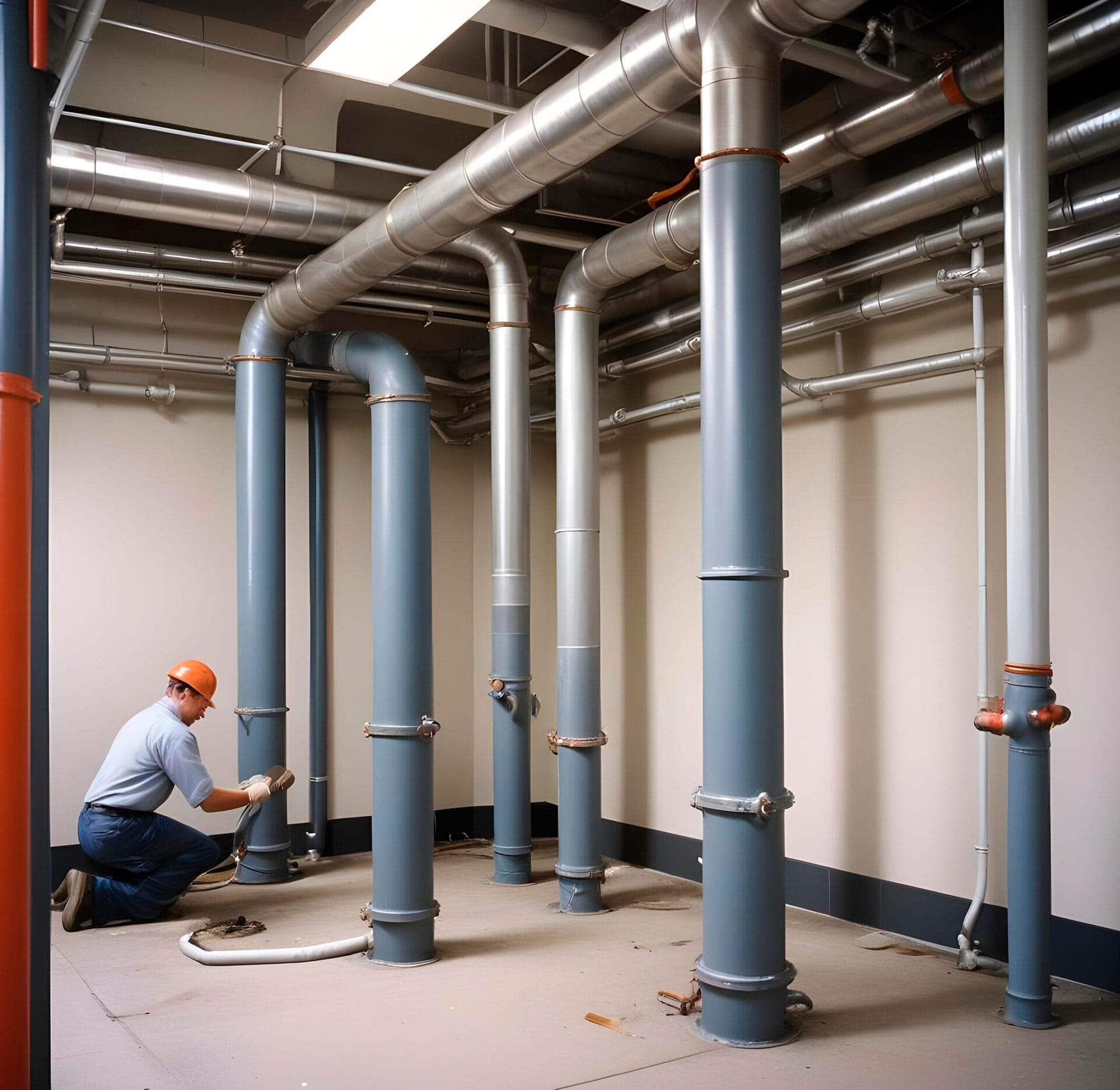
Every commercial hydrojetting job on lines 4 inches and larger should include CCTV camera inspection. Two reasons. First, you need to verify the cleaning worked — full diameter restored, no remaining blockage, no exposed root mass, no broken pipe section now visible. Second, you need a forward-looking record of pipe condition: any cracks, joint failures, bellies (sections of pipe that have sagged and trap water), root intrusion points that will fail next, and any approaching structural failure that warrants budget planning.
A property manager who receives a hydrojetting invoice with no camera inspection got half a service. We deliver every commercial hydrojetting job in Dallas with a written report and time-stamped video from the camera run, footage uploaded for the property's records, and a pipe-condition summary that flags any defects with location measured from the cleanout.
Dallas Geographic Risk Zones
Different Dallas submarkets have different dominant failure modes. Knowing your zone lets you build a smarter maintenance schedule.
Inner Loop (Highland Park, Uptown, Highland Park, Uptown): Old infrastructure (1920s to 1960s vitrified clay sewer laterals), mature trees, heavy commercial kitchen density. Dominant failure: root intrusion + FOG. Recommended program: quarterly grease line hydrojetting, annual full-lateral CCTV with root cutting if needed.
Energy Corridor and West Dallas: 1970s to 1990s commercial buildings, large parking lots, heavy stormwater management requirements. Dominant failure: storm drain sediment + parking-lot catch basin clogging. Recommended program: pre-hurricane-season storm drain hydrojetting (April to May), annual catch basin clean-out.
Galleria and Uptown: Mixed era, mostly newer buildings with PVC and cast-iron sanitary. Dominant failure: high-rise restaurant FOG + mineral scale on long horizontal runs. Recommended program: quarterly restaurant line hydrojetting, biennial water-heater discharge descaling.
Frisco, Plano, Irving, McKinney (Master-Planned Suburbs): 1990s to 2010s commercial development, newer PVC. Dominant failure: heavy FOG in fast-casual restaurant clusters, immature root issues. Recommended program: quarterly trap + line maintenance for food service tenants.
Ship Channel and East End Industrial: Heavy industrial discharge, large-diameter process drains, regulatory scrutiny on combined sewer overflow events. Dominant failure: process scale, hazardous material residue, large-diameter sediment. Recommended program: annual full-system hydrojetting with documented before-and-after CCTV for regulatory compliance.
The Quarterly Commercial Hydrojetting Schedule
A defensive maintenance program prevents the catastrophic backups that destroy revenue and trigger liability. Here is the calendar we recommend for Dallas commercial property managers, adjusted for property type.
Restaurants and food service: Q1 (January), Q2 (April), Q3 (July), Q4 (October). Grease trap pumping + connected sanitary line hydrojetting on a 90-day cadence. Triggered earlier if the trap manifest shows pumping at over 25 percent capacity before the quarter ends.
Multifamily (apartments, condos, mixed-use residential): Annual main building sewer hydrojetting (January or February). Quarterly hydrojetting of trash chute drains and laundry room mains if present. Targeted hydrojetting of any unit-level grease, hair, or feminine product backup.
Office and retail: Annual main sewer hydrojetting. Quarterly food-court / break-room grease line service. Biennial CCTV inspection of the building lateral.
Hotel and hospitality: Quarterly kitchen line hydrojetting. Quarterly laundry chemical-line hydrojetting (heavy detergent scale buildup). Annual main building sewer service.
Industrial and warehouse: Annual full-system service for sanitary + process drains + storm drains. Pre-hurricane-season targeted storm drain service. Whatever cadence matches the property's discharge permit requirements.
Choosing a Dallas Commercial Hydrojetting Contractor
Before signing any contract for recurring commercial drain service, validate these criteria.
Texas plumbing license. The Texas State Board of Plumbing Examiners (TSBPE) requires a Master Plumber or Responsible Master Plumber license for work on the building drain (under-slab) and the building sewer (from wall to city tap). Verify the license at tsbpe.texas.gov before signing. Request the contractor's TSBPE license number and Responsible Master Plumber name in writing.
Insurance coverage. $1 million general liability minimum for commercial work. Higher limits for industrial sites. Workers' compensation per Texas law. Auto coverage on every truck. Request a Certificate of Insurance naming your property as additional insured before any service.
Hydrojetting equipment specification. Ask what pressure and flow the truck delivers. A 1,500-PSI / 4-GPM trailer-mounted machine cannot service a 6-inch commercial lateral. A serious commercial hydrojetting contractor runs 3,500 to 4,000 PSI at 18 to 35 GPM minimum on truck-mounted equipment.
CCTV camera capability. Every commercial job over 4 inches should include camera inspection. Confirm the contractor brings camera equipment to every commercial call, not just on request.
Written reports and video records. Property managers need defensible records for capital planning, lender requirements, insurance claims, and tenant disputes. Confirm you will receive a written report with location measurements and time-stamped video for every service.
After-hours availability. Commercial drain backups happen during business hours, which means service has to happen after business hours. Confirm the contractor runs 24/7 emergency response with no holiday surcharge gouging.
What This Costs in Dallas (2026)
Approximate ranges for Dallas commercial hydrojetting based on current market rates. Final pricing depends on access, severity, and property-specific factors.
Restaurant grease line (3-inch to 4-inch, 50 to 150 feet): $400 to $900 per service, quarterly cadence. CCTV included on first service of the year.
Office building main sewer (6-inch, 100 to 250 feet): $800 to $1,800 per annual service, with CCTV inspection and written report.
Storm drain and catch basin system (one parking lot): $1,200 to $4,500 depending on number of inlets and basin condition.
Industrial process drain (large diameter, regulated discharge): $2,500 to $15,000+ depending on scope, documentation requirements, and any hazmat handling.
Emergency after-hours commercial backup response: $750 to $2,500 for the first hour plus equipment, depending on call timing. Most jobs complete in 1 to 3 hours; backups requiring extensive line excavation or extraction are quoted separately.
What to Do Right Now
If you manage commercial property in Dallas and you do not have a written hydrojetting maintenance schedule, here is the action sequence.
- Pull your last three drain service invoices. If the same line has been snaked more than twice in 12 months, that line needs hydrojetting and CCTV inspection.
- For any restaurant or food-service tenant, request the most recent grease trap manifest. If pumping cadence is over 90 days or if any service shows the trap at over 25 percent capacity, schedule hydrojetting of the connected sanitary line within 30 days.
- If any building on your portfolio is 1980s or older with original sewer laterals and no recent CCTV record, schedule a baseline inspection within 60 days.
- For any property with significant surface drainage (parking lots, area drains, plaza drains), schedule storm drain hydrojetting before the official June 1 start of Atlantic hurricane season.
- Build a 12-month maintenance calendar by property and tenant type using the quarterly schedule above.
The economics of commercial hydrojetting are not the cost per call. They are the cost of not having a program when a sewer ejector pump dies at 6 PM on a Friday at a 200-seat restaurant with a fully booked night. That single avoided event pays for several years of preventive service.
TX Hydrojet runs commercial hydrojetting service across the Dallas metro 24 hours a day, 365 days a year, with truck-mounted equipment, CCTV camera inspection on every call, and written reports for property managers. For commercial drain cleaning in Dallas — preventive program, recurring maintenance, or emergency response — call (832) 203-7987 or request a quote at txhydrojetting.com/contact.
TX Hydrojet & Plumbing Team
Our team of licensed, insured plumbers in Dallas, TX brings decades of combined experience to every job. We specialize in hydro jetting, drain cleaning, sewer repair, and 24/7 emergency plumbing services across the Dallas-Fort Worth metroplex.
(832) 203-7987