Apartment Complex Drain Maintenance Dallas: Manager's Guide
Apartment complex drain backups in Dallas are not random plumbing accidents. They are the foreseeable outcome of a maintenance program that does not exist or is not aligned with the failure timeline of the systems involved. A 300-unit garden-style community in West Dallas, a high-rise on Post Oak, or a value-add Class B portfolio in Coppell all share the same drain failure mechanisms — they just hit on different schedules and with different consequences. This guide is the working playbook our Dallas multifamily hydrojetting program uses across the major property management portfolios in the Dallas metro.
The economics of multifamily drain maintenance are not subtle. A backed-up unit on the ground floor generates a Tenant Complaint of Habitability, possible Texas Property Code 92.052 repair-and-deduct exposure, mold remediation liability, carpet and drywall replacement, alternative housing if the unit is uninhabitable, and a one-star Google review that costs you future leasing for 18 months. The unit-cost of a recurring quarterly hydrojetting program is a small fraction of one of these events. The question for the property manager is not whether to run a preventive drain program — it is whether your contractor is delivering the program properly.
The Five Multifamily Drain Systems That Need Active Management
Apartment communities have multiple distinct drainage systems that each fail on their own timeline. A unified hydrojetting program addresses all five.
1. Building Main Sewer Lines
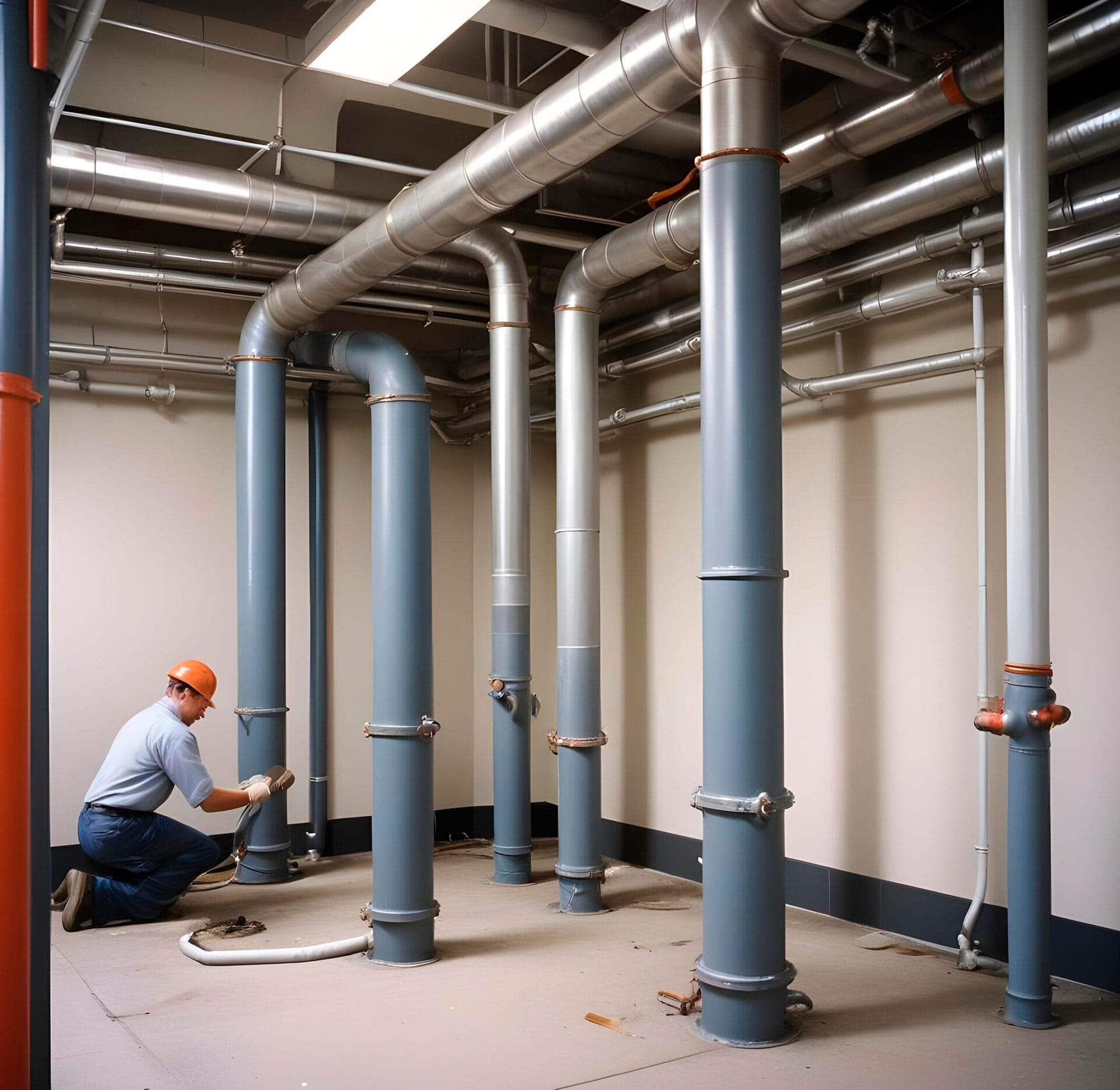
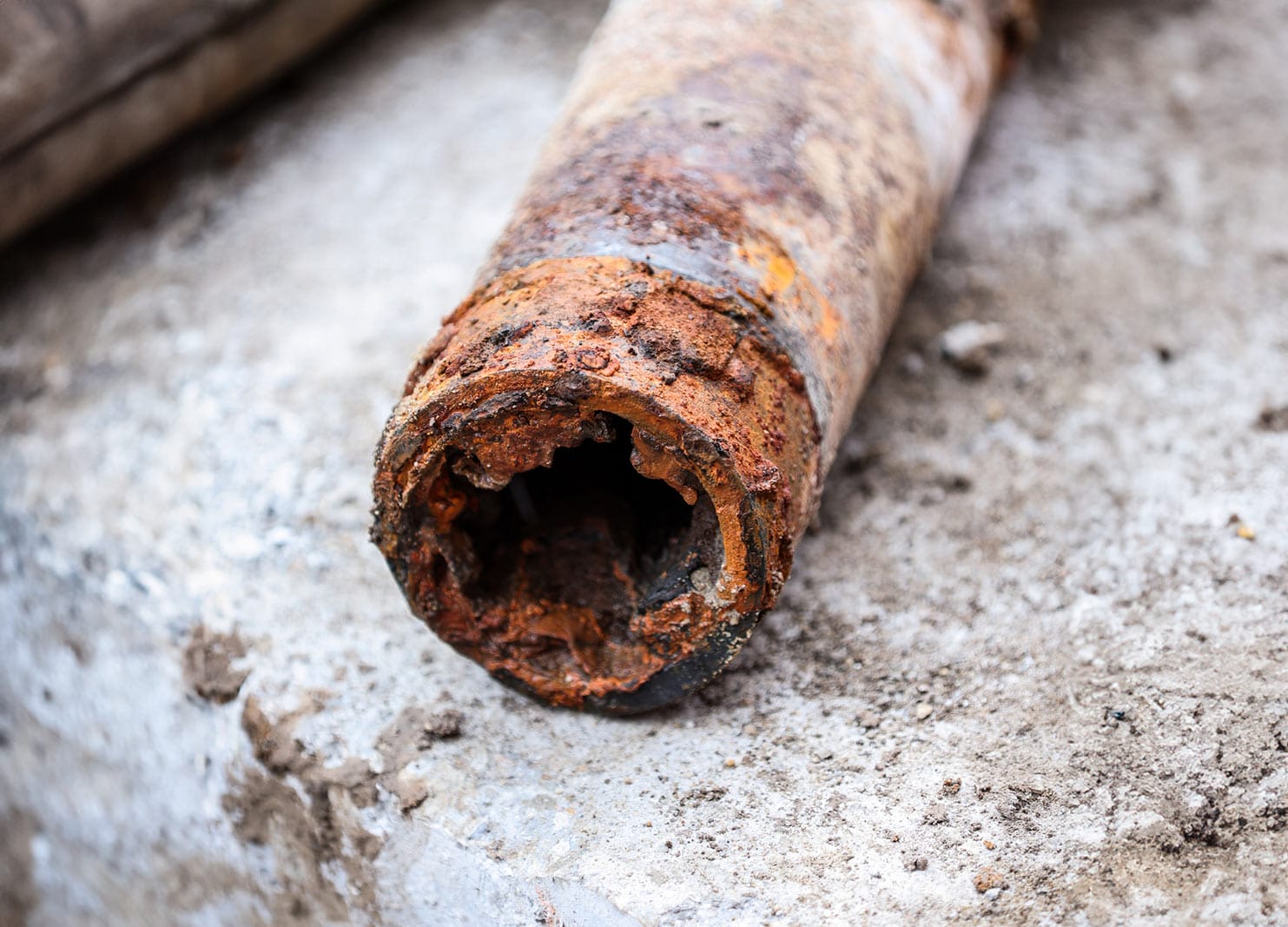
Every building or building block has a main sewer line — typically 4-inch to 8-inch — running from the building footprint out to the campus collection system or city tap. This line carries the full load of every unit's toilets, tubs, showers, sinks, dishwashers, and washing machines. In garden-style communities built before 1990, the building main is often vitrified clay tile or unlined cast iron, and after 30 years it is fouled with soap scum, hair, grease from kitchens, and tree root intrusion at degraded joints.
Annual hydrojetting of every building main is the foundation of a multifamily preventive program. We perform this between September and February (post-summer-leasing, pre-spring-turn) when the schedule disruption is minimal. CCTV inspection on the first pass establishes baseline pipe condition; subsequent annual passes verify the line stayed clean and flag any root regrowth or structural defects developing.
2. Trash Chute and Trash Compactor Drains
Mid-rise and high-rise communities have trash chute systems with associated drain lines — the chute base drain (catches liquid from compacted trash), the chute-cleaning drain (washes residue down after periodic chute cleaning), and any compactor floor drain. These lines see a brutal combination of food waste, beverage residue, cleaning chemicals, and biofilm. They clog quarterly without intervention.
Trash chute drain hydrojetting on a quarterly cadence — same cadence as the chute cleaning — keeps the system functional and reduces odor complaints from upper-floor residents. Skipping this service produces the high-rise classic: a 14th-floor resident complaint about trash smell that traces back to a sewer gas backup through a trapped drain that's lost its water seal because the line is restricted and not flowing.
3. Laundry Room Mains
Property-owned laundry rooms (still common in mid-rise and garden-style) generate a relentless detergent and lint load. The room's main drain — often 2-inch to 3-inch — accumulates surfactant residue, fabric softener, lint, and bleach byproducts. Over 12 to 24 months, the line restricts and the property gets a flood from a back-up under the dryers during peak Saturday laundry traffic.
Annual or 18-month hydrojetting of laundry mains is standard preventive maintenance. Properties with high-efficiency washers and high detergent compatibility have more aggressive buildup and benefit from 6-month intervals.
4. Sewer Ejector Pump Sumps and Discharge Lines
Any unit or common area below the level of the building sewer requires a sewer ejector pump — a sump with a pump that lifts waste up to the building gravity drain. These are common in garden-level units, basement laundry rooms, parking garage drains, and high-rise sub-grade trash rooms. The sumps accumulate solids that the pump cannot move; the discharge line — often a 2-inch or 3-inch force main — restricts with grease and scale.
Sewer ejector failure is catastrophic. The sump fills, then the contributing fixtures back up into the unit, the common area, or worst case a parking garage. We saw this last summer at a Sherman-area community — a parking garage flooded with raw waste because a sewer ejector discharge line had restricted over 18 months and the pump finally couldn't move flow. Cleanup, vehicle damage claims, and liability ran into six figures.
Sewer ejector pump sumps should be vacuumed clean annually. Discharge lines should be hydrojetted annually. Pump motors should be inspected for failure indicators (high amp draw, frequent cycling, vibration).
5. Storm Drains and Area Drains
Garden-style communities have surface parking lots, walkways, pool decks, and courtyards with storm drains and area drains. High-rise properties have podium drains, planter drains, and below-grade parking ramp drains. All of these accumulate sediment, leaves, and trash. During Dallas's tropical and severe-weather events, restricted drains produce ground-floor unit flooding, garage flooding, and pool overflow with sanitary cross-contamination.
Pre-hurricane-season (April or May) hydrojetting of property storm drains is high-ROI preventive maintenance. One avoided ground-floor unit flooding event pays for years of service.
The Dallas-Specific Failure Patterns by Property Type
Different Dallas multifamily property types have different dominant failure modes. A property manager scheduling preventive maintenance should know which failures hit hardest in their portfolio.
Inner-Loop Vintage (Highland Park, Uptown, Uptown, Museum District): 1920s through 1970s building stock with original clay sewer laterals, mature tree canopy, and high tenant density. Dominant failures: tree root intrusion in laterals, FOG in older grease-laden cast iron interior soil stacks. Recommended program: annual hydrojetting of every building main with CCTV inspection, biennial root-cutting on lines with documented intrusion.
1970s-1980s Garden-Style (Coppell, Sharpstown, Greenspoint, Westchase): Concrete-slab construction with cast iron under-slab and PVC vertical stacks. Dominant failures: cast iron under-slab pipe corrosion, sewer ejector pump systems in basement units, laundry room mains. Recommended program: annual building main hydrojetting, sewer ejector annual service, laundry main semi-annual.
1990s-2000s Class B Garden-Style (Energy Corridor, Phillips Creek Ranch, Denton): All-PVC sanitary, newer construction. Dominant failures: tenant misuse (flushable wipes, hygiene products), grease buildup in kitchen branch lines, parking lot storm drain sediment. Recommended program: annual building main, quarterly tenant-area common spaces (pool deck, breezeway drains).
2010s-Present Class A Mid-Rise (Galleria, Sherman City, Uptown): Modern construction with all-PVC sanitary, mechanical sewer ejector pumps, podium drainage. Dominant failures: trash chute drain buildup, garage podium drain sediment, sewer ejector force-main restrictions. Recommended program: quarterly trash chute drain, annual main, annual ejector, semi-annual garage podium.
High-Rise (Downtown, Uptown high-rise, Galleria high-rise, Buffalo Bayou): Steel and concrete construction with extensive in-slab and riser-system plumbing, often multiple sewer ejector systems, podium drains, and rooftop storm drainage. Dominant failures: rooftop drainage restriction, riser stack base scale, garbage chute drain. Recommended program: quarterly chute drain, quarterly riser stack base, annual building main, annual ejector, pre-hurricane-season rooftop drainage service.
Service Cadence Calendar for Dallas Apartment Communities
Here is the working maintenance calendar we recommend for Dallas property managers based on the failure patterns above.
January — Q1 Service: Building main hydrojetting (rotate through portfolio over Q1 to spread cost). Sewer ejector annual service. CCTV inspection on building mains being serviced.
April — Pre-Hurricane Season: Storm drain hydrojetting (every property). Area drain cleaning (pool decks, walkways, parking lots). Rooftop drainage clearing for any multi-story property.
April — Q2 Service: Quarterly trash chute drain (mid-rise and high-rise). Quarterly riser stack base service (high-rise).
July — Q3 Service: Quarterly trash chute drain. Mid-year laundry room main service (annual cycle). Pre-school-year emergency response readiness (resident move-in increases call volume August through September).
October — Q4 Service: Quarterly trash chute drain. Pre-winter sewer ejector verification. Holiday-season emergency response readiness.
As-Needed: Reactive service for tenant-reported backups, kitchen branch line clearing, individual unit drain service. Tracked by line item against the preventive maintenance budget so the property manager can see whether the preventive program is reducing reactive call volume.
What This Costs in Dallas Multifamily
Approximate ranges for Dallas apartment community hydrojetting based on current rates. Final pricing depends on access, severity, and master service agreement structure.
Building main sewer hydrojetting (4-inch to 6-inch, 100 to 250 feet, with camera inspection and written report): $600 to $1,400 per building.
Trash chute drain quarterly service (per chute, includes chute base and compactor drains): $250 to $600 per service.
Laundry room main hydrojetting (annual, 2-inch to 3-inch): $300 to $600 per service.
Sewer ejector pump annual service (sump vacuum and discharge line hydrojetting): $400 to $900 per system.
Storm drain and area drain pre-hurricane service (mid-size garden-style property): $1,200 to $3,500 per property.
Pre-cleaning CCTV inspection (camera scope of 100 to 300 feet of pipe): $300 to $700.
Master service agreement discount: Properties on annual MSA with scheduled service typically receive 15 to 25 percent discount versus single-call pricing.
Emergency after-hours response (single-unit backup, tenant-reported): $350 to $1,200 depending on call timing and equipment required.
Choosing a Multifamily Hydrojetting Contractor in Dallas
Multifamily property managers should evaluate hydrojetting contractors on criteria that match the use case — recurring scheduled service, fast emergency response, defensible documentation, and credentialed crews on resident property.
Master service agreement capability: Annual MSA with scheduled preventive maintenance and emergency response on a single SOW. Volume-based pricing on top of standard rates. Single point of contact for the portfolio.
Resident-facing professionalism: Crews in uniform, marked trucks, badge identification, no smoking on property, clean-up of work area. Property managers cannot afford resident complaints about contractor behavior.
After-hours emergency response: 24/7 dispatch with a guaranteed response window (typically 2 to 4 hours for emergency). No holiday surcharge gouging.
Documentation for capital planning: Written reports per service, time-stamped CCTV video, pipe condition flagging, recommendation for any structural repairs. Multifamily property managers need this for capital expense planning and lender requirements.
Texas plumbing license: TSBPE Master Plumber or Responsible Master Plumber for any building drain or building sewer work. Verify license number before any service.
Insurance coverage: $1 million general liability minimum, additional insured endorsement naming the property and management company. Workers compensation per Texas law. Auto coverage on every truck.
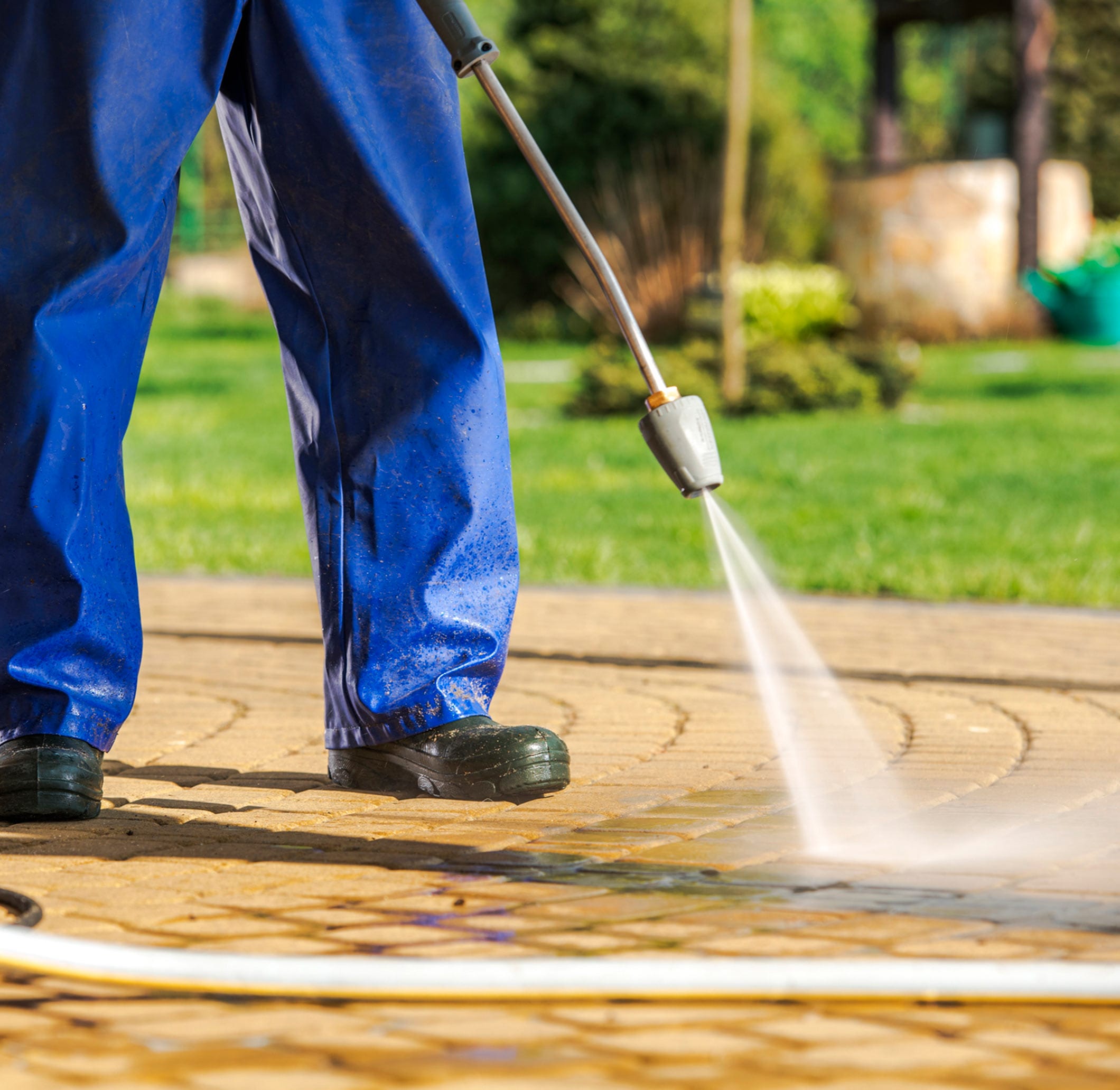
Equipment class: Truck-mounted units at 3,500 PSI and 18 GPM minimum for building mains. CCTV camera capability on every commercial call.
What to Do Right Now
If you manage a multifamily portfolio in Dallas and you do not have a written preventive hydrojetting calendar, the action sequence:
- Pull your last 12 months of reactive drain service invoices. Count repeat addresses. Any line serviced more than twice in 12 months needs a CCTV scope and may need a structural repair, not another snaking call.
- Identify your sewer ejector pump locations. Confirm last service date. If no service in 12 months or more, schedule sump cleanout and discharge line hydrojetting within 60 days.
- For any building over 30 years old, schedule baseline CCTV scope of the building main if none on file. The first scope is the basis for the capital plan.
- Add pre-hurricane-season storm drain service to your April calendar. This is the single highest-ROI annual service for any property with surface drainage.
- Get a master service agreement in place with a credentialed multifamily hydrojetting contractor. The MSA covers scheduled preventive service plus emergency response under one document and standardizes the pricing.
The economics of multifamily preventive drain maintenance are simple. A quarterly program costs a fraction of one Tenant Complaint of Habitability event, one ground-floor flood, one parking garage backup, or one repeated Google review about sewage smell. The portfolio that runs the program operates at lower risk and lower long-term cost than the portfolio that pays reactive call rates plus event remediation.
TX Hydrojet operates a dedicated multifamily division across the Dallas metro. Master service agreements with major regional property management firms. Truck-mounted equipment at 3,500 to 4,000 PSI and 18 to 35 GPM. CCTV camera inspection on every building main service. Written reports and time-stamped video for the property records. TSBPE licensed, $2 million general liability, 24/7 emergency. For apartment complex drain maintenance in Dallas — preventive program, recurring scheduled service, or emergency response — call (832) 203-7987 or request a quote at txhydrojetting.com/contact.
TX Hydrojet & Plumbing Team
Our team of licensed, insured plumbers in Dallas, TX brings decades of combined experience to every job. We specialize in hydro jetting, drain cleaning, sewer repair, and 24/7 emergency plumbing services across the Dallas-Fort Worth metroplex.
(832) 203-7987